

Reshape the areas that diet and exercise cannot change
Stubborn fat, loose abdominal skin and uneven proportions often come down to genetics, pregnancy, aging or weight changes rather than lifestyle. At Hauw Han, MD in West Chester, OH , board-certified plastic surgeon Dr. Han offers liposuction, tummy tuck and body lift surgery to create smoother, better-balanced contours and help you feel more confident in your body.
Request an AppointmentLiposuction to Slim and Refine Specific Areas
A fit, well-proportioned body is often a sign of health and vitality, yet some people still have disproportionate contours because of localized fat deposits. These areas are usually inherited or family traits rather than a lack of weight control or fitness. Liposuction slims and reshapes these areas by removing excess fat, improving your proportions and your self-image.
Is liposuction right for me?
Liposuction may be right for you if you are bothered by fat deposits that do not respond to diet or exercise. It can permanently reshape areas where excess fat makes part of an otherwise balanced figure look disproportionately large, including the:
- Cheeks, chin and neck
- Upper arms
- Breast or chest area
- Back
- Abdomen and waist
- Hips and buttocks
- Thighs
- Inner knee
- Calves and ankles
Ideal candidates are adults of any age within 30% of their ideal weight, with firm, elastic skin and good muscle tone. Good candidates are also:
- Healthy, without a life-threatening illness or a medical condition that can impair healing
- Non-smokers
- Positive in outlook, with specific goals for body contouring
Special considerations may apply if you have diabetes, high blood pressure, heart disease or previous surgery in the treatment area. Liposuction can be performed on its own or combined with procedures such as a facelift, male or female breast reduction or a tummy tuck. It is not a treatment for obesity, a substitute for diet and exercise, or an effective treatment for cellulite.
How is liposuction performed?
Dr. Han evaluates your skin tone and elasticity, as well as fat density and distribution, to choose the right technique for you. There are three common variations:
- Traditional liposuction, the surgical suctioning of excess fat deposits
- The tumescent or super-wet technique, which uses an infusion of saline solution with added adrenaline and possibly anesthetic before the fat is removed
- Ultrasound-assisted lipoplasty (UAL), which uses ultrasonic energy to liquefy fat before suctioning
All techniques use small incisions in or near the treatment area for a cannula, a thin tube that loosens the fat. The fat is then removed with a surgical vacuum, powered suction device or a syringe. When larger amounts are removed, compression garments help your skin conform to its new contours. Secondary procedures are sometimes recommended to reduce excess skin, and special considerations apply when more than 5 liters (5,000 cc) of fat are removed.
What are the risks and what is recovery like?
Choosing a qualified plastic surgeon and following every instruction you are given are important steps toward your safety. Possible risks of liposuction include, but are not limited to, uneven contours, rippling or loose skin, skin or nerve damage, irregular pigmentation, infection, fat clots, blood clots and excessive fluid loss or accumulation. UAL also carries a risk of thermal burn or heat injury, and all surgery carries risks associated with anesthesia. You will sign consent forms so that you fully understand the procedure and any potential complications.
Liposuction may be performed in a hospital, an outpatient surgery center or our accredited office-based surgical suite, most often under general anesthesia, although local anesthesia with sedation may also be used. Arrange for someone to drive you to and from surgery and to stay with you the first night. Afterward, a compression garment or elastic bandages control swelling, and small temporary drains may be placed to remove excess fluid. Swelling, numbness, soreness and bruising are common and can be controlled with medication. You can return to light activity as soon as you feel ready, which also helps prevent blood clots. Initial wound healing takes about 5 to 10 days, and swelling may take several months to fully resolve. Your results should last as long as you maintain your weight and a healthy lifestyle.
Body Contouring Before and After Photos
Seeing real patient results can help you picture what body contouring may do for you. These photos show the kind of refinement that is possible when treatment is planned around each patient’s anatomy and goals. Individual results vary, and Dr. Han will talk with you about realistic expectations during your consultation.


Patient 2


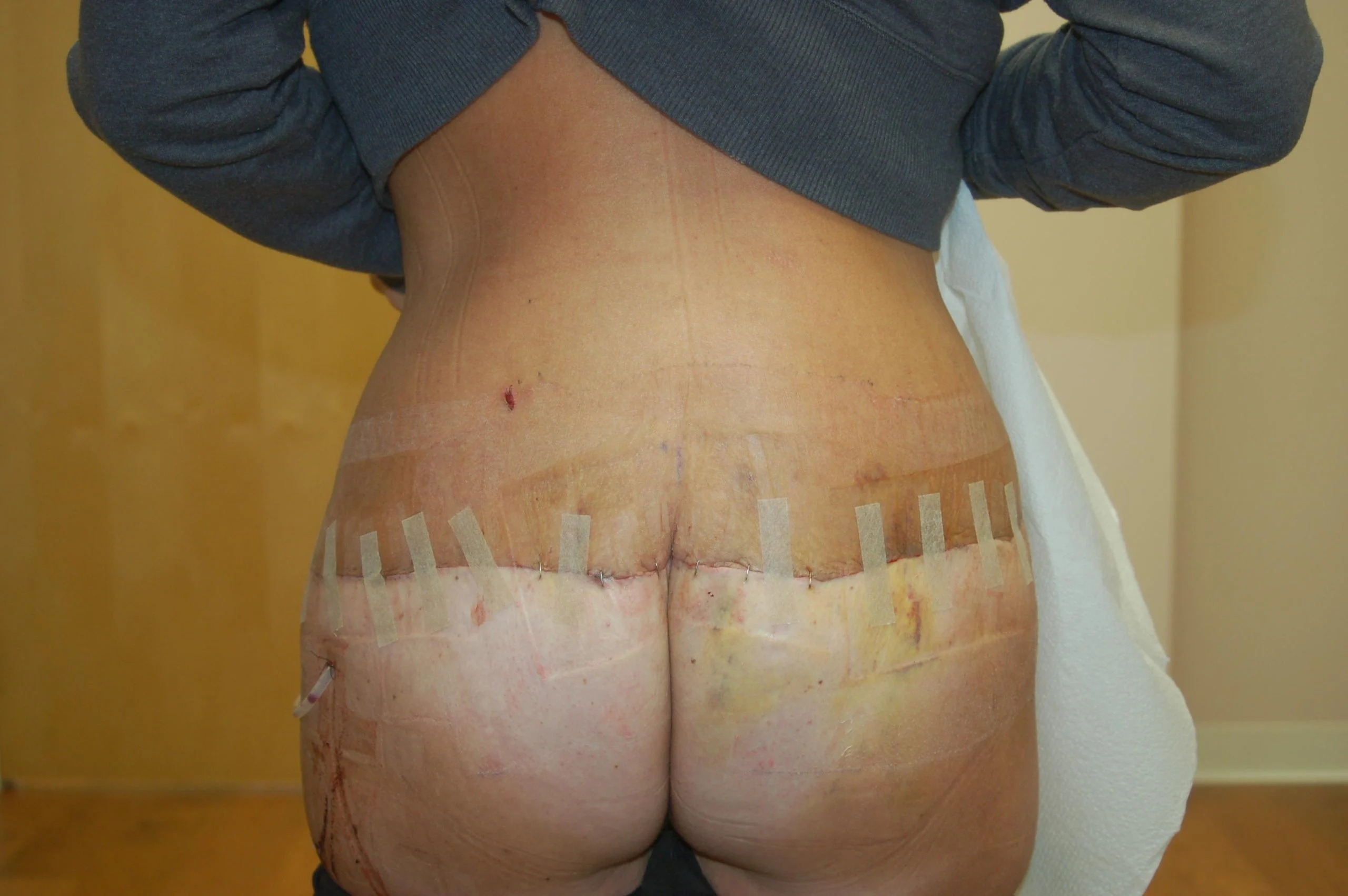
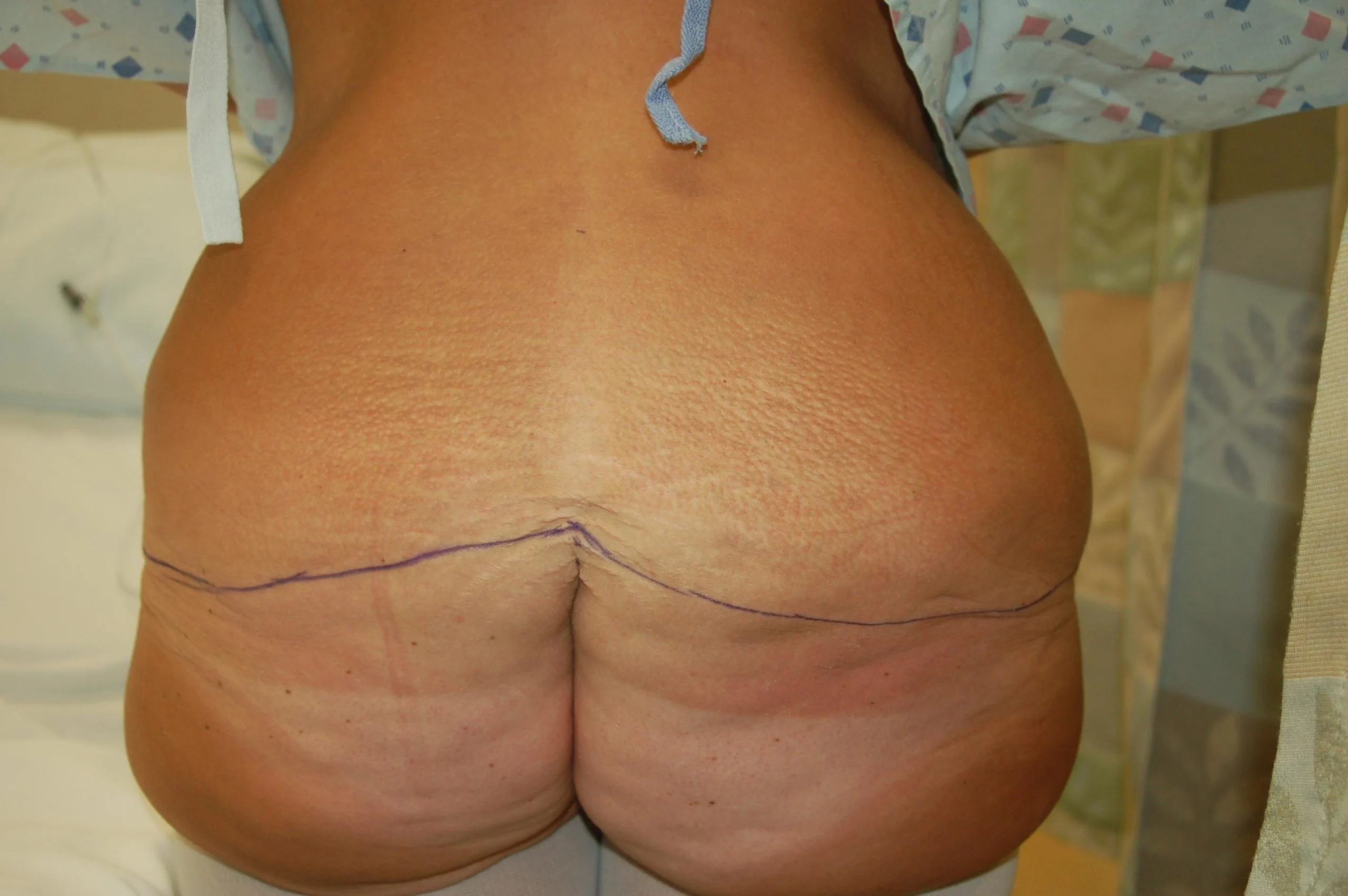
Patient 4


Your Consultation Is the First Step
A consultation with Dr. Han is where you learn which option can best enhance your body image. It is designed to educate you in a no-pressure environment and includes a discussion of your goals, an evaluation of your individual case, the options available, the likely outcomes and any risks or potential complications.
For the best and safest result, you will be asked to share your expectations honestly, fully disclose your health history, medications, vitamins, herbal supplements, alcohol, tobacco and drug use, and follow all of Dr. Han’s instructions precisely. Before surgery, you will receive specific guidance on testing, medications, anesthesia, day-of-surgery instructions and postoperative care. It is natural to feel some excitement or anxiety, so bring any questions or concerns to the doctor.
Tummy Tuck for a Smoother, Firmer Abdomen
A flat, well-toned abdomen is something many people work toward, but exercise and weight control cannot always get you there. Even people of normal weight can develop an abdomen that protrudes or is loose and sagging. Common causes include heredity, multiple pregnancies, prior surgery, significant weight fluctuations and congenital spine abnormalities that affect posture.
A tummy tuck, or abdominoplasty, corrects a protruding or loose abdomen by removing excess fat and skin and, in some cases, restoring weakened or separated muscles. The treated area may be limited to the center of the abdomen or extend across the entire area between the lower rib cage and pubic bone, including the sides and back.
Is a tummy tuck right for me?
A tummy tuck is best for adults of any age who are in good health, close to the ideal weight for their body type, moderately fit and have good muscle tone. Good candidates are healthy non-smokers without conditions that impair healing, who have a positive outlook and specific goals for body contouring.
A tummy tuck is not a substitute for weight loss or exercise. Although results are technically permanent, significant weight changes can diminish them, so people planning substantial weight loss or future pregnancies may be advised to wait. Previous abdominal surgery can limit results, and in women who have had a cesarean section, existing scars can often be incorporated or revised for the new incisions.
How is a tummy tuck performed, and what are the risks?
Your procedure is individualized to your needs, whether that means excess localized fat, loose and sagging skin, or weakened or separated abdominal muscles from pregnancy, weight loss or aging. Excess fat and skin may be removed in combination with liposuction, and the technique, incision length and incision pattern depend on the amount and location of excess skin, your preferences and surgical judgment. Other body contouring procedures may be done separately or in the same session.
Possible risks include blood clots, blood pooling beneath the skin (hematoma), fluid accumulation and infection or poor healing of the incision site, along with the risks that come with anesthesia. A tummy tuck may be performed in a hospital, an outpatient surgery center or our accredited office-based surgical suite, usually under general anesthesia, although local anesthesia with sedation may also be used. Plan for a driver and for someone to stay with you the first night.
Recovery and results
After surgery, dressings and an elastic bandage or compression garment support your abdomen and minimize swelling, and a thin tube may temporarily drain excess fluid. You will be encouraged to walk lightly as soon as possible to reduce the risk of blood clots. For the first few days:
- Avoid bending, straining or lifting anything
- Avoid standing fully upright, to avoid stressing internal sutures
- Sleep with pillows elevating your knees
Initial wound healing takes about 5 to 10 days, and most patients return to work and normal activity in a few weeks, avoiding heavy lifting and vigorous exercise. Results are visible almost immediately, although final results can take several months to develop, and incision lines may take a year or more to refine. The scars are permanent but are hidden by most clothing and swimsuits. Your flatter, firmer profile should last as long as you maintain your weight and fitness.
Body Lift to Improve the Middle and Lower Body
The middle and lower body strongly influence your overall appearance. When they are out of proportion with the rest of your body, or there is excess skin or fat, it can affect your self-image and confidence. A body lift, also called belt lipectomy, improves the appearance and firmness of the abdomen, hips, thighs and buttocks to bring greater harmony to your whole figure.
A cosmetic body lift addresses loose skin in the buttocks and back of the thighs, the hips and sides of the thighs, the front of the thighs, and the abdomen or inner thighs, where the layer of fat below the skin is relatively thin.
Is a body lift right for me?
A body lift may be right for you if you are bothered by the size or position of your abdomen, hips, thighs or buttocks. Good candidates are people who have lost a significant amount of weight, who have excess skin or fat around those areas, and who have a positive outlook and specific goals for improvement.
What are the risks of a body lift?
Possible risks include, but are not limited to:
- Seromas, collections of fluid below the skin, which may require drains
- Delayed healing from small separations in the incision closure where tension and stretch are high
- Numbness in areas adjacent to the incision
- Slight asymmetries
- Surgical time of six hours or more
Aesthetic outcomes can be unpredictable with a body lift, and a second procedure is sometimes needed to fully reach your goals. As with all surgery, there are risks associated with anesthesia, and you will sign consent forms so you understand the procedure and any potential complications.
What to expect on surgery day and during recovery
A body lift is usually performed at a hospital under general anesthesia, and you will typically be admitted following surgery. Surgical drains remove fluid that collects within the incisions. You measure the output daily, and the drains are removed in the office once the output is low enough, usually after two to three weeks, though sometimes later. Sutures are typically removed around two weeks after surgery, also in the office. Compression garments may be used to control swelling, support the lifted tissues and smooth the skin.
Swelling, bruising and discomfort are common and can be managed with medication and cold compresses. You are encouraged to walk the day after surgery, and light normal activity is usually possible within a few days. Plan to be out of work for about three weeks, although some patients can resume limited work functions after two weeks. Your results appear gradually, and a year is considered normal for the outcome to fully refine.
Body Contouring Questions Answered
Which body contouring procedure is right for me?
It depends on where your concerns are and what is causing them. Liposuction targets localized fat, a tummy tuck addresses excess abdominal skin, fat and weakened muscles, and a body lift treats loose skin across the abdomen, hips, thighs and buttocks. Dr. Han will evaluate your anatomy and goals during a consultation and recommend the best option, or a combination.
Is liposuction a weight-loss treatment?
No. Liposuction is not a treatment for obesity or a substitute for diet and exercise. It is designed to reshape specific areas of stubborn fat in people who are generally close to their ideal weight and have firm, elastic skin.
Can liposuction remove cellulite?
No. Liposuction is not an effective treatment for cellulite, the dimpled skin that typically appears on the thighs, hips and buttocks.
Can I combine a tummy tuck with liposuction?
Yes. Liposuction is often used together with a tummy tuck to remove localized fat and refine other areas of the body. Other body contouring procedures may be performed in the same surgical session or separately, depending on your goals and Dr. Han’s recommendation.
Where is body contouring surgery performed?
Liposuction and tummy tuck may be performed in a hospital, an outpatient surgery center or our accredited office-based surgical suite, most commonly under general anesthesia. A body lift is usually performed at a hospital, and you will typically be admitted afterward.
How long is recovery after body contouring?
Recovery depends on the procedure. Initial wound healing for liposuction and tummy tuck takes about 5 to 10 days, and most tummy tuck patients return to work in a few weeks. After a body lift, plan to be out of work for about three weeks. Swelling can take several months to fully resolve.
Will weight changes or pregnancy affect my results?
Yes. Results last best when you maintain your weight and a healthy lifestyle. Significant weight fluctuations can diminish a tummy tuck, so people planning substantial weight loss or future pregnancies may be advised to postpone surgery.
Ready to Talk About Your Body Goals?
Call (513) 755-8115 or request a consultation with Dr. Han to find out which body contouring option fits you best.